
Destination
The Poetry of Precision
Most countries you understand by looking. Japan you understand by slowing down. It is a place where a train arrives to the second, where a meal can be four decades in the making, where a stranger will walk you two blocks out of their way rather than simply point — and where all of this is done quietly, without fuss, as though excellence were just good manners. Japan doesn't try to impress you. It simply does things properly, and trusts you to notice.
What surprises first-time visitors is how easily the ancient and the futuristic share the same street. In Tokyo, a thousand-year-old shrine sits in the blue shadow of glass towers; a wooden noodle counter with eight seats hides beneath a station wheretrains glide in like clockwork. Cross a threshold and the roar of the city vanishes into the hush of a tea room or the green calm of a garden raked into perfect stillness. This is the Japanese magic — not that the old and the new coexist, but that they seem to belong together, as if the country had quietly figured out something the rest of the world is still arguing about.
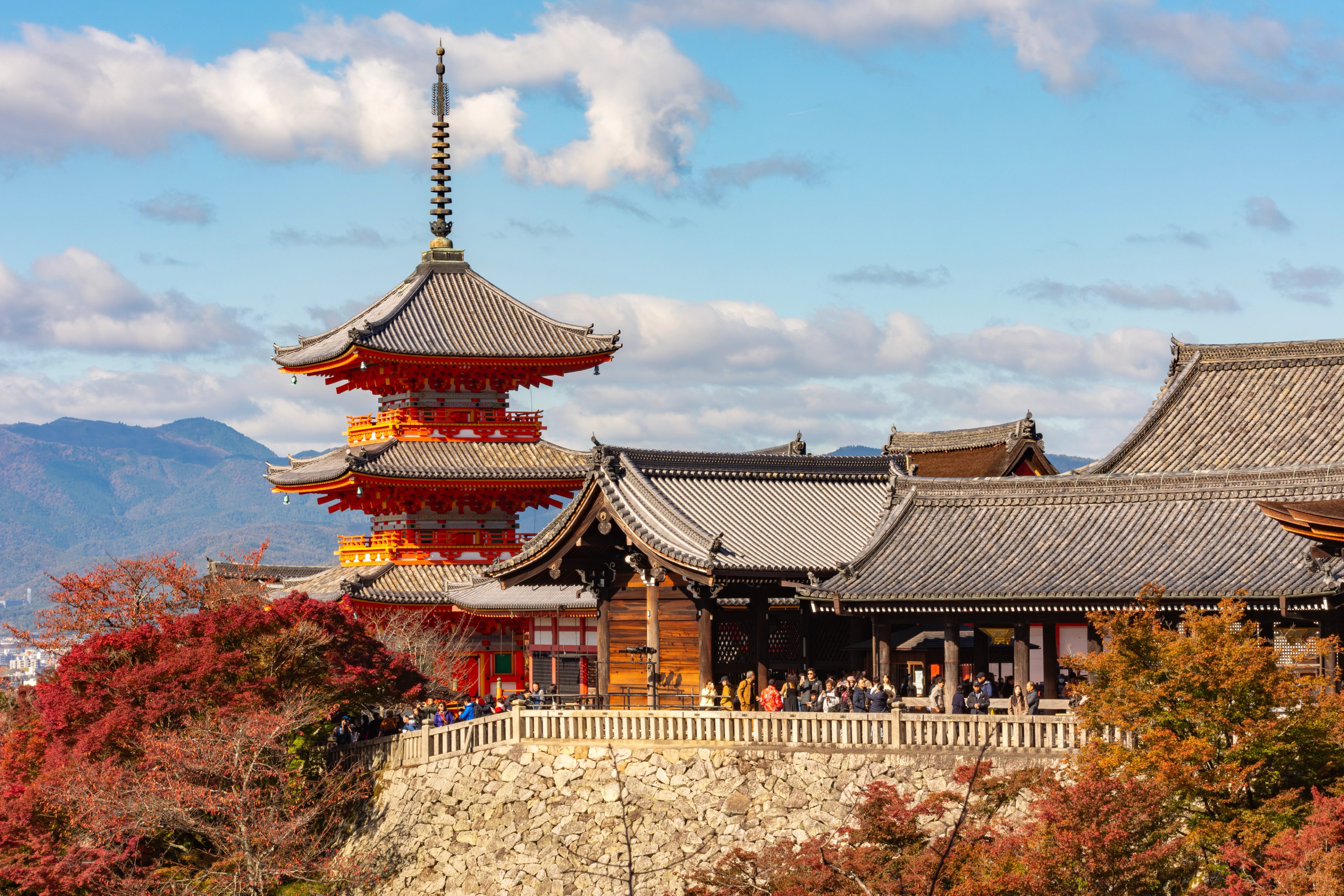
Then there is Kyoto, where Japan keeps its soul. Here the mornings are for temples — hundreds of them, gold and vermilion and moss — best seen at first light before the day fills them. The evenings are for the wooden lanes of Gion, all paper lanterns and sliding doors, where if you're fortunate you'll glimpse a geisha slipping between engagements. Stay a night in a traditional ryokan and you'll understand the whole country a little better: a room of tatami and silence, a hot spring bath beneath the stars, a dinner of small seasonal dishes served like a quiet ceremony, and the deepest sleep you've had in years.
And everywhere, there is the food — treated here not as fuel but as craft, even as devotion. A sushi master who has shaped rice the same way for fifty years. A bowl of ramen a shop has spent generations perfecting. Street stalls, market halls, hushed counters where the chef watches your first bite the way an artist watches you take in a painting. In Japan, eating well is not a luxury reserved for special occasions. It is simply how the day is done.
Beyond the cities, the country opens into quiet wonders: bullet trains that carry you past a snow-capped Mount Fuji at three hundred kilometers an hour, a great red torii gate that appears to float on the sea at Miyajima, hot-spring villages tucked into mountains, and old post towns on ancient trails that look untouched by the centuries. Spring wraps it all in cherry blossom and autumn sets the maples ablaze — the two seasons worth planning a whole trip around — though the snow monkeys of winter and the lantern festivals of summer make their own case entirely.
Some places you leave feeling you've seen them. Japan you leave feeling it has quietly changed the way you see everything else.